11 August 2026
What happens on a shoot day
If you have never been filmed before, the unknown is the uncomfortable part. Here is exactly how a shoot day runs, what we need from you, and what to do about being nervous on camera.
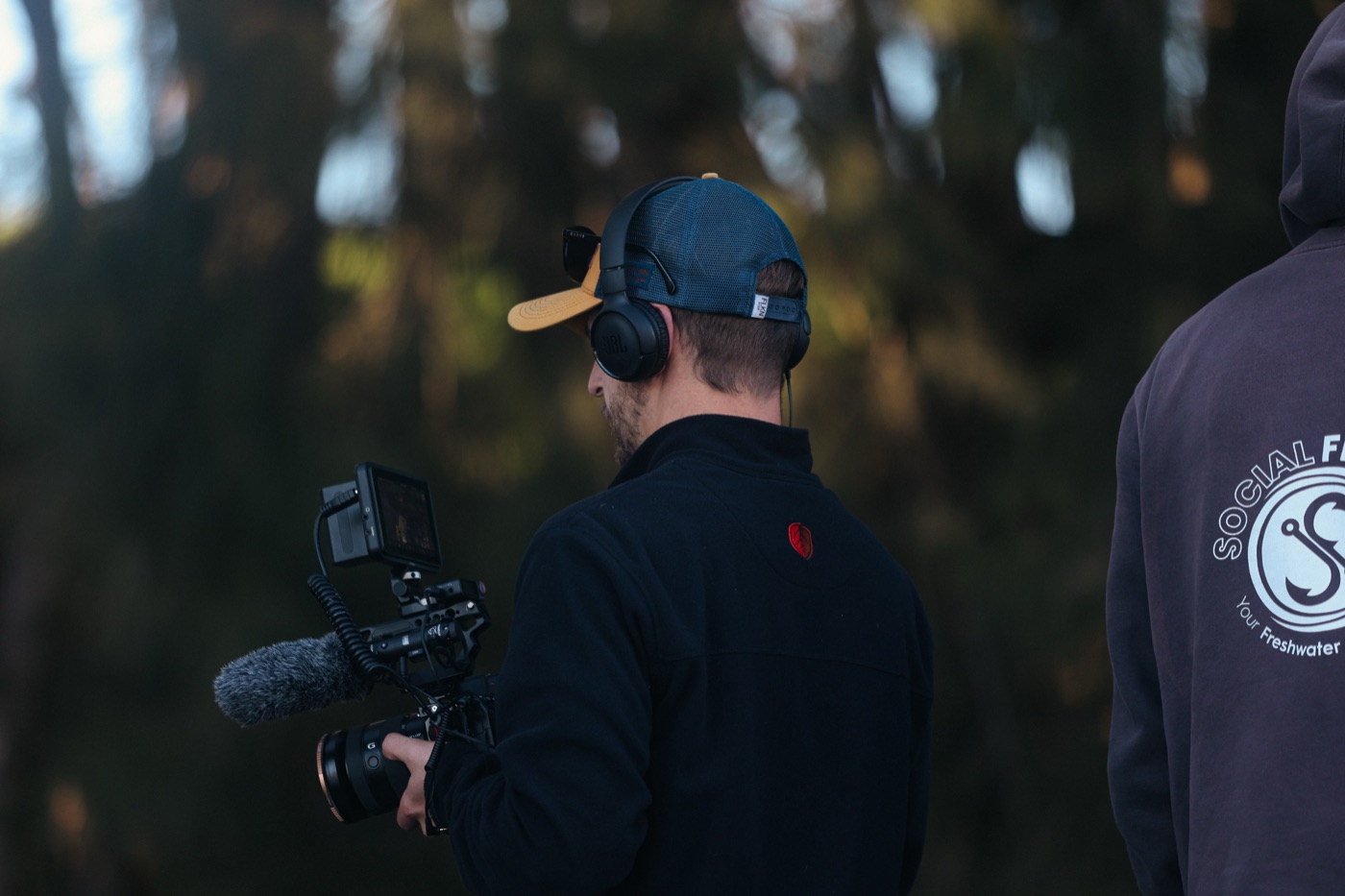
Most people we film have never been filmed before. They are not worried about the result, they are worried about the day. So here is the whole thing, start to finish, with nothing dressed up.
Before the day
We agree what we are making and what we need to come away with. That becomes a short shot list. It is not a script and you will not be asked to learn anything, it is just a list so nobody discovers at 4pm that we forgot the one thing the whole film needed.
We will ask for a location, a rough run sheet of what happens when, and the name of one person who can make decisions on the day. That last one matters more than people expect.
What time we start and how long it takes
Usually early. The good light is at the start and end of the day, and in the High Country the window is short. A typical shoot day is six to eight hours on site. A half day is genuinely half, about four hours, and suits a single interview or one product.
We would rather start at first light and finish mid afternoon than start at nine and fight flat light all day.
What we need from you
Access, a decision maker, and honesty. If a machine is not running, tell us before we build a shot around it. If someone does not want to be on camera, say so early and we will work around them without making it awkward.
You do not need to tidy up more than normal. Real workshops look like workshops. A floor that has been swept for the camera reads as staged, and the audience notices before they can tell you why.
What if I am no good on camera?
Almost nobody is, at first. We do not hand you a script or ask you to perform. We ask questions and let you answer them the way you would answer a customer, then we cut out the questions. Ten minutes in, people forget the camera is there. That is the part we use.
If you are dreading it, tell us at the start. There is usually a way to make the film work with you doing far less talking than you fear.
After the day
We back up the footage before we leave the site, and again when we get back. You get a first cut, you give notes in one batch rather than one at a time, and we deliver the final files ready to use in the sizes you actually need.
The thing worth knowing: what makes a shoot day go well is almost never the gear. It is access, time and somebody on site who can say yes.
More like this
Ready to tell your story?
Want something like this?
Tell us about the job and we will come back to you, usually the same day.